























Nepal’s economy is largely agriculture-based, with most people dependent on farming for their livelihoods. While the sector holds strong potential, sustainable economic growth—especially in rural areas—remains a challenge. Traditional donor-driven development models and vocational programs have often produced short-term results, limited alignment with local labor market needs, and long-term dependency. Many initiatives collapse once external funding ends, highlighting the need for a shift toward a locally sustainable system.
Nepal must adopt a model based on Technical and Vocational Education and Training (TVET) and enterprise development through Public-Private Partnerships (PPP). This approach will connect local governments, private sector enterprises, and Employment Service Centres to deliver market-relevant skills and direct employment pathways. Private sector involvement is crucial in providing technical expertise, infrastructure, apprenticeships, and job placements across sectors such as agriculture, construction, tourism, and manufacturing.
Decentralizing TVET to local governments ensures training is tailored to regional needs. Local authorities, in collaboration with industries and communities, can design programs aligned with local economic opportunities. Mobile or satellite training centers can further improve access in rural areas.
An integrated approach combining on-farm and off-farm development is essential. On-farm training can enhance productivity through modern and sustainable agricultural practices, while off-farm training in agro-processing, marketing, and business development can create value-added opportunities and strengthen local economies.
Expert involvement from government bodies is vital to ensure region-specific relevance across Madhesh, Hill, and Urban areas, addressing local challenges and opportunities effectively.
Through strong PPP models, private sector incentives, and localized implementation, Nepal can transition from dependency-based systems to a sustainable, skills-driven economy. This will empower communities, create employment, reduce rural-urban disparities, and build long-term economic resilience.

Related Articles

MAW Vriddhi CEO Honored with Best CEO Award
MAW Vriddhi CEO Honored with Best CEO Award “Mr. Prashanna Panta, Chief Executive Officer of MAW Vriddhi Motors, has been…
May 06, 2026
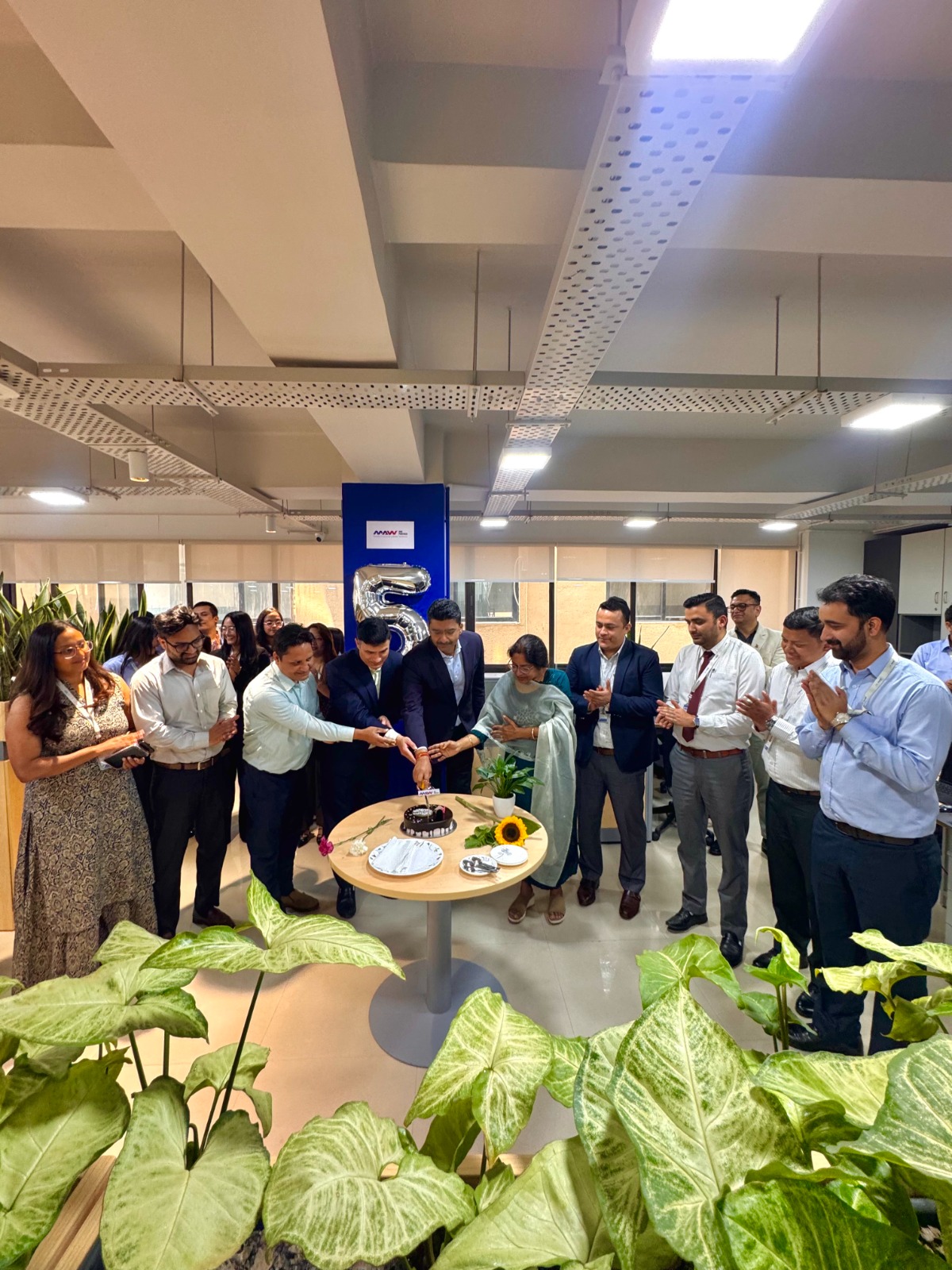
Celebrating a major Milestone- 5 Billion Target Achieve
Celebrating a major Milestone- 5 Billion Target Achieve We are proud to share that our loan investment has successfully reached…
May 06, 2026
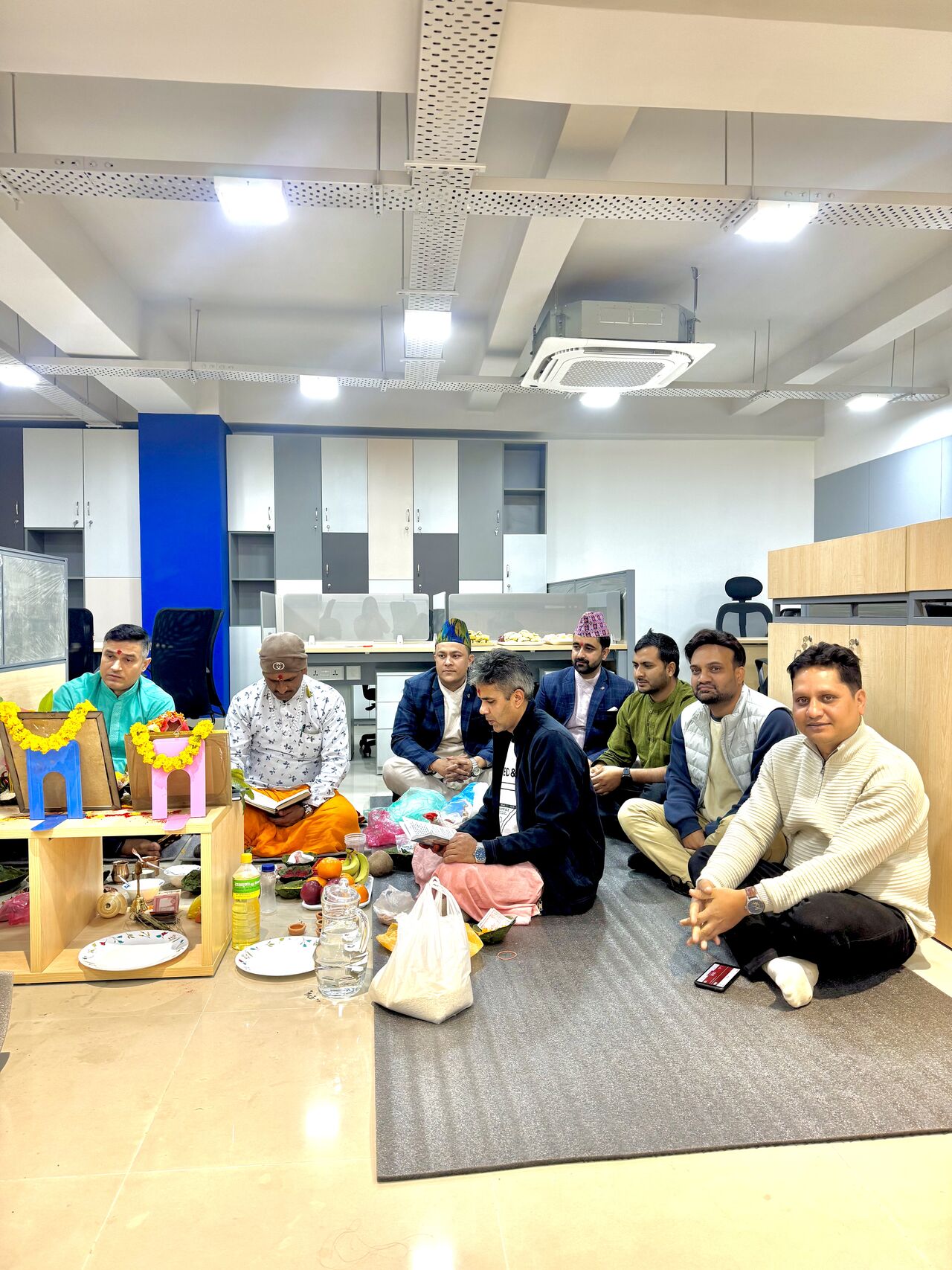
New Milestone: Office Expansion
New Milestone: Office Expansion Marking another step forward in our growth journey, MHPL expanded its office presence, reflecting our continued…
May 06, 2026